Lizards and Frogs
Central Desert, Australia
24/02/21

Not a lot of shelter around...
When you think of outback Australia, an image of sands and scrubs crawling with snakes and lizards comes to mind. Unfortunately however, that isn't the case! Extremely high temperatures for most of the day (well over 40° at the surface) means that almost all animals here are generally nocturnal or at least crepuscular, coming out at dawn and dusk. And the harsh environment with very low rainfall also means there's less food to go around for everyone. This results in only a few species of very cryptic reptiles, in low abundance. Luckily I had lots of time to spend looking around the desert: picking up rocks and kicking through spinifex. Here are a few of my finds from central Northern Territory.
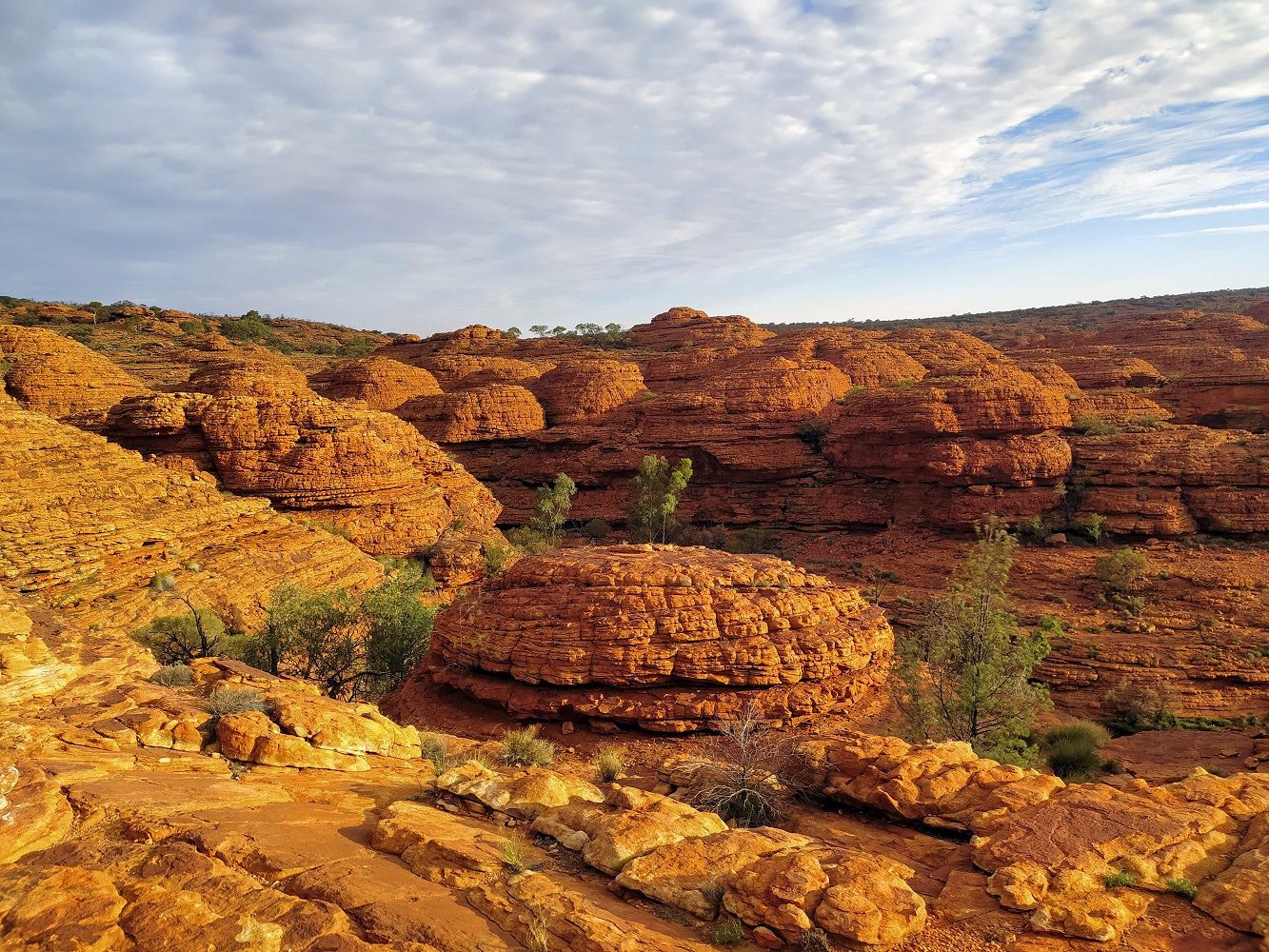
The sandstone domes of the George Gill Range. This area is a valuable refuge for many species, with more living opportunities than the surrounding desert sands.
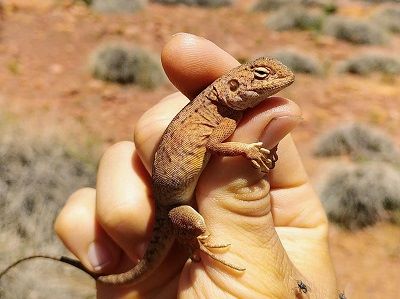
Ctenophorus slateri
Slater's ring-tailed dragon
A cute, chunky agamid that lives amongst rock piles in arid central and northern Australia They behave much like a pebble dragon - crouching down and pretending to be a rock when scared, which makes them pretty easy to catch.

Gowidon longirostris
Long-nosed dragon
A widespread desert lizard, these agamids can often be seen speeding across the sand on their hind legs towards the safety of a tree.

Gehyra moritzi
Moritz's dtella
A small gecko found only in central Northern Territory. Found hiding under a rock.
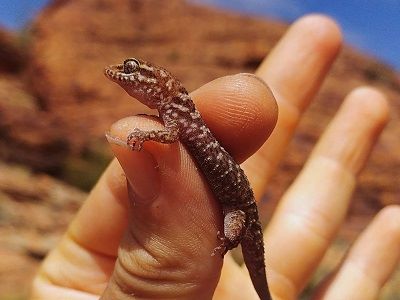
Heteronotia binoei
Common Prickly Gecko
A parthenogenetic gecko found across Australia. At about a year old, females start laying eggs that don't require any fertilisation to hatch.
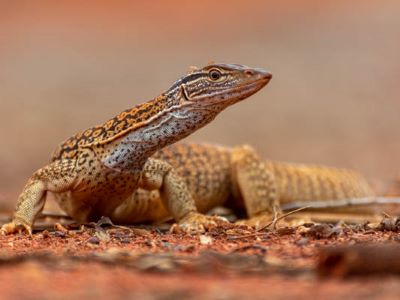
Varanus gouldii
Sand goanna
A large burrowing goanna that can be found throughout Australia. In desert areas, they lay their eggs in termite mounds to protect them from the heat.

Moloch horridus
Thorny devil
These iconic lizards move slowly around their habitat of spinifex or arid scrubland looking for ants which they exclusively feed on. A slow moving agamid, it relies mainly on hard spines across its body for protection.
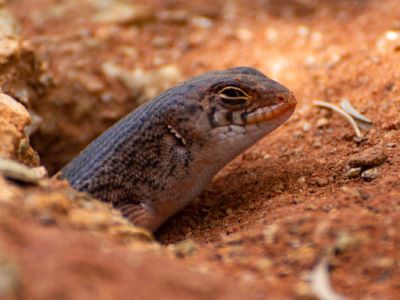
Liopholis inornata
Unadorned desert skink
A small, very social burrowing skink that lives in colonies. They sit at the front of their holes, ready to shoot down when startled.

Egernia stokesii
Gidgee skink
Living in tree trunks and rock crevices, this slow lizard relies on hiding for protection. They have spiny tails that they use to wedge themselves into crevices.

Litoria rubella
Desert tree frog
A very hardy frog that spends most of its time hiding under bark, rocks, or dense leaf cover - almost always close to some water source or at least the remnants of one.

Litoria rubella
Desert tree frog
A very young one! They must take advantage of any rains when they come - from egg to froglet, the tadpole stage can be as short as two weeks.
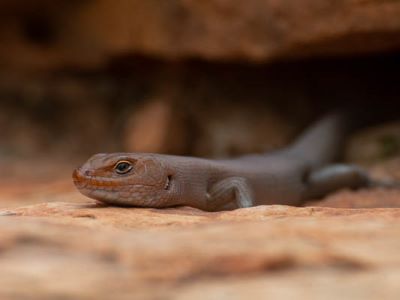
Liopholis margaretae
Centralian Ranges rock-skink
The magaretae subspecies. These lizards can only be found on centralian rock outcrops.

Gehyra variegata
Tree Dtella
These tree-dwelling geckos are fairly territorial and generally stay within their area of a few meters. If you revisit a place a few times, it's likely you're visiting the same dtella.

An beautiful sunset over desert oaks and spinifex grass. Sunsets don't mean cooler temperatures here however! It stays hot all night in summer.