Nightlife and spotlighting
Borneo, South East Asia
24/02/20
Being diurnal creatures, we usually miss out on all the incredible activity of the night. And it's built into us to not really like it - there is always that unnerving and creepy feeling out in the dark in the middle of the jungle. But it's definitely worth it. Not only is everything more active, by not relying so much on sight, and using your ears more, you feel more connected with everything going on around you. Just be sure to carry a spare torch...
All the animals of the night making their noises up to a crescendo and than all of a sudden... silence. Nothing but raindrops and the sounds of squelching under my boots. I don't understand why, but the entire ecological community here is certainly connected in many ways. After many minutes of silence in the dark, a group of monkeys start roaring with ferocity. Going over and shining my torch up, I learn that proboscis monkey intensely dislike slow lorises.
About half an hour later I got peed on by a proboscis monkey while trying to take a photo... I guess they don't like me either. That made for many uncomfortable and smelly nights camping in my waterproof bivvy sack over the next week.

Nasalis larvatus
Proboscis monkey
There's nothing like the sound of a monkey whooping and roaring in the darkness behind you while you fumble with your torch.

Duttaphrynus melanostictus
Asian common toad
When I saw this guy I thought "cane toad!" but no, it's not even in the same genus despite looking so similar. Closely related though, they also have poison glands behind their heads.

Alcedo meninting
Blue-eared Kingfisher
Found this tiny little kingfisher sleeping on a small branch in a swamp area.

Alcedo meninting
Blue-eared Kingfisher
Woken up by my shutter but it was way too sleepy to fly away. They live around small streams and hunt the animals living in them.

Hemidactylus garnotii
Indo-Pacific gecko
This little gecko is a parthenogenetic lizard! Which means it doesn't need to mate to produce offspring.
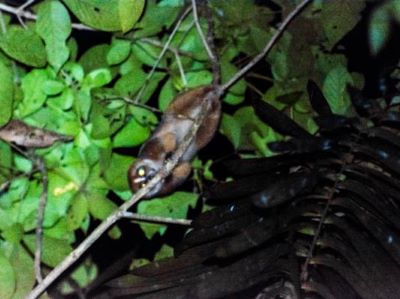
Nycticebus sp.
Slow loris
So happy to have seen one of these! A terrible picture, but wonderful to see in the wild. These nocturnal strepsirrhine primates are actually venomous and their bite can be deadly.
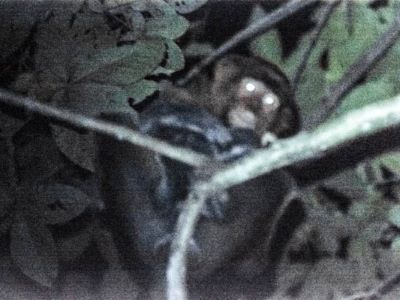
Nasalis larvatus
Proboscis monkey
Nights in the jungle can be creepy...

Nycticebus sp.
Slow loris
Poked his head out for 4 seconds then disappeared. I'm thinking it's another slow loris based off that white stripe on the head. But then again it could also be a palm civet.
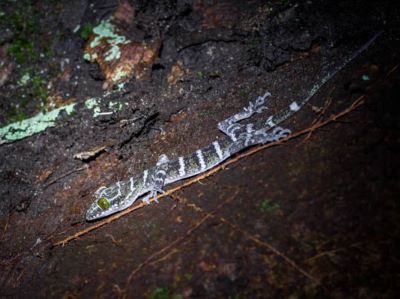
Cyrtodactylus consobrinus
Peters' Forest Gecko
A nocturnal gecko that hides in rock and tree crevices during the day.

Fejervarya limnocharis
Asian grass frog
True to its name, I found this frog in a swampy grass area. They are quite common in areas where there isn't dense forest.

Gryllacris sp.
Leaf folding cricket
This Ensiferan cricket was very difficult to identify. It belongs to a family known as raspy crickets, for the sound they make when disturbed.

Aretaon asperrimus
Thorny Stick Insect
A small, spiny phasmid native to Borneo.
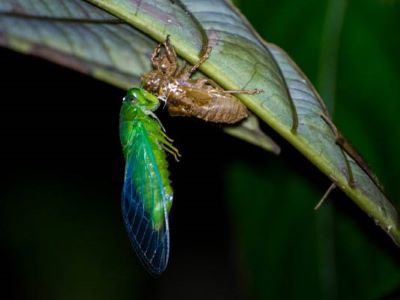
Dundubia vaginata
Jade green cicada
A cicada, having just emerged from its nymph exoskeleton, hangs on for life as it hardens up.

Sus barbatus
Bornean bearded pig
Came across a sleeping adult bearded pig! They inhabit rainforests and mangrove areas and live in families.
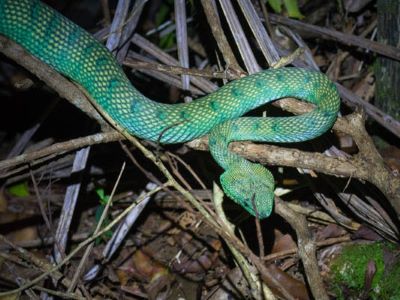
Tropidolaemus subannulatus
Bornean Keeled Pit Viper
A highly venomous viper with typical heat sensing pits. This bright green-blue individual looks to be an adult male.

Tropidolaemus subannulatus
Bornean Keeled Pit Viper
Adult females tend to be stockier and more cream coloured
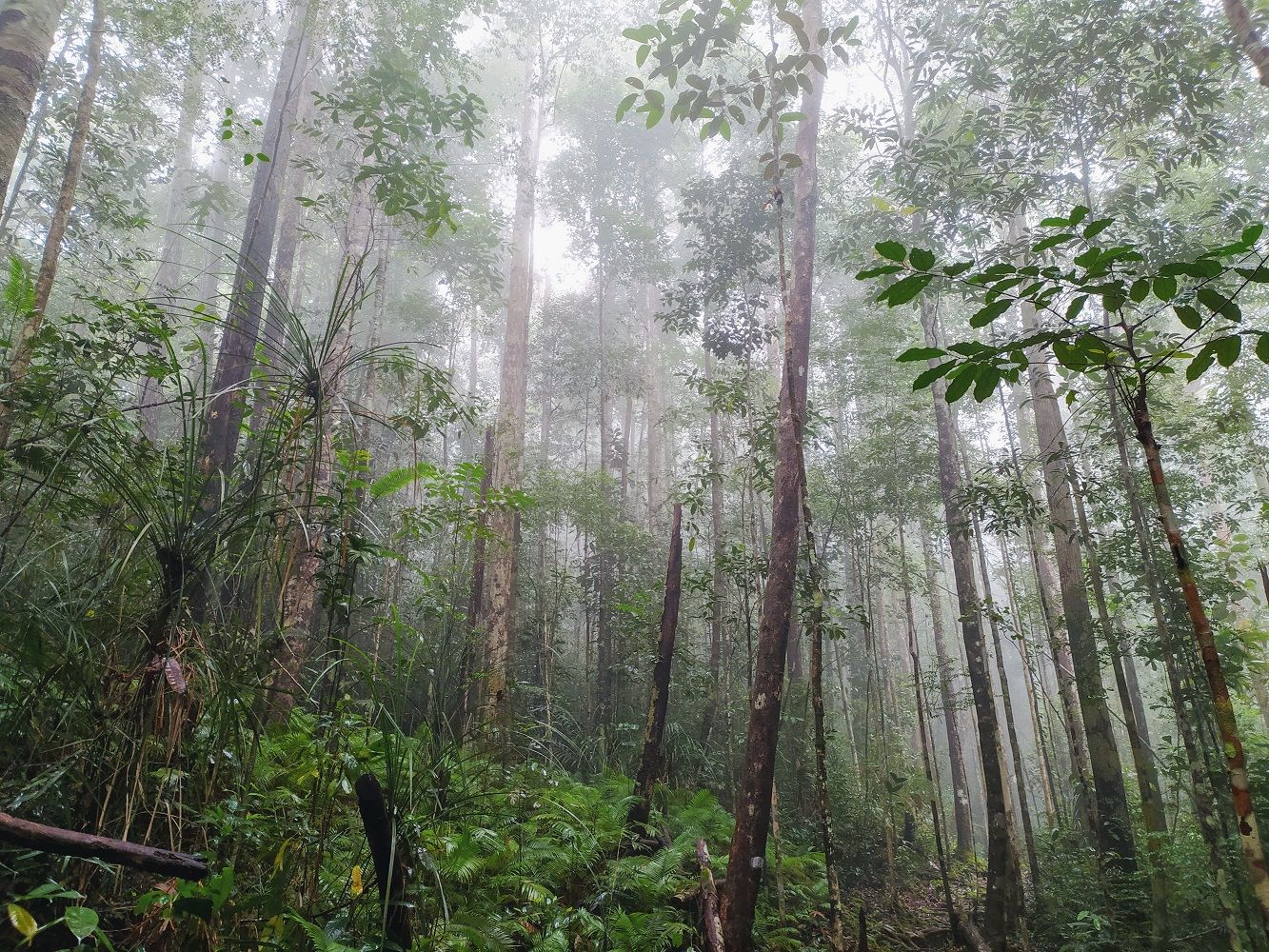
Night or day, walking through a cloud forest is an incredible experience.